
Women in Film Fear Losing Work When They Speak Up
News Summary
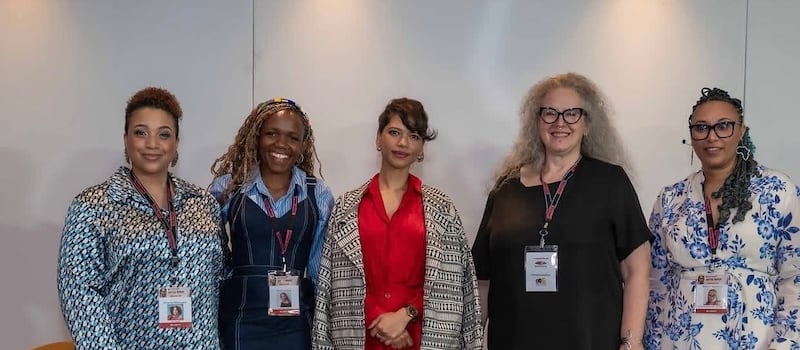
Women working in South Africa's film and TV industry say they still fear losing jobs if they report sexual harassment or unfair treatment. Industry leaders at Durban FilmMart are now calling for trained safety officers on every film set to protect workers.
Originally reported by Sowetan.
Why It Matters
The film and TV industry is a real workplace, and thousands of South Africans depend on it for work. Camera operators, sound techs, editors, make-up artists, drivers and runners all earn their living on set. But the people who spoke at Durban FilmMart say many women stay quiet about bad treatment because they are scared of not being hired again. When workers cannot speak up safely, the whole industry suffers.
What Is Being Asked For
Sisters Working in Film and Television (Swift) wants a trained safety contact officer on every production. This is a person outside the normal chain of command who cast and crew can talk to if something goes wrong. They help people understand their choices and how to report a problem. The main problem is money. Many productions say they cannot afford to pay for this person, so it is left off the budget.
- Safety officers on set: A trained social worker who listens and helps workers report problems.
- Clear reporting channels: A way to report bad behaviour without going to the person in charge of your next job.
- Protection from retaliation: Workers should not lose work because they spoke up.
- More women in charge: More women in directing, camera work, sound, editing and production management.
Why This Matters for Your Career
Safety at work is not a small issue. It affects who stays in the industry and who leaves. If you are starting out in film, TV, theatre or any creative job, knowing your rights makes you stronger. You can ask questions about safety rules before you accept a job. You can ask who to speak to if something goes wrong. You can also build skills in areas where women are still few, like camera work, lighting, sound and editing. These are jobs that pay well and are in demand.
Industry leaders also want funding to be more open. They want to know who gets money, how much they get, and whether women move on to bigger projects. This matters for freelancers and small production companies who need support to grow. When more women get funding and leading roles, more stories get told, and more jobs open up for everyone.
Skills In Demand
From Live Job DatabaseCareer Tip
"If you want to work in film or TV, treat safety and professionalism as part of your skill set. Before you accept any gig, ask three simple questions: Who is my contact person if I have a problem? What are the working hours and pay terms? Is there a safety officer on set? Keep a simple record of every job you do, including dates, your role and who paid you. This protects you, builds your CV, and shows producers you are a serious professional."