
South Africa's Money Plan: What It Means for Jobs
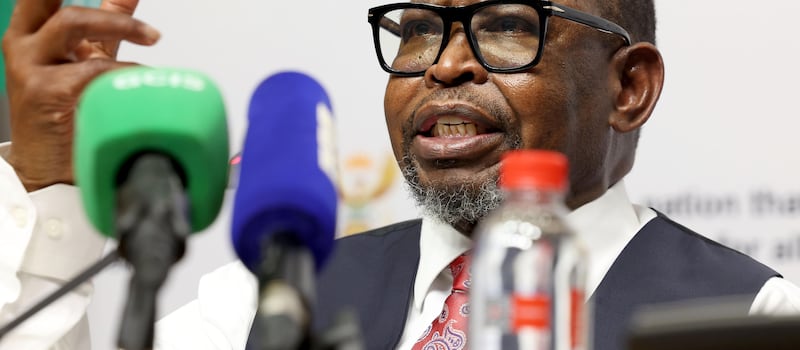
News Summary
South Africa's finance minister has kept government spending under control and helped steady the country's money situation. But the economy is still growing slowly and unemployment is high, so job seekers face a hard market.
Originally reported by TimesLIVE.
Why It Matters
Why This Matters for Jobs
The government is trying to spend less and borrow less. This helps South Africa avoid a money crisis. But it can also mean less public money for some services and projects. When the economy grows slowly, companies create fewer jobs. When unemployment is high, more people compete for the same jobs.
The country still has big problems with roads, trains, ports and water. These problems make it harder for businesses to grow. The government also pays a lot of money each day to service its debt. That leaves less money to invest in things that can create jobs. The finance minister is pushing reforms to let private companies help fix some of these problems. If these reforms work, they could support growth and jobs over time.
What This Means for Job Seekers
- Competition for jobs is likely to stay strong.
- Skills in finance, planning and project management are valuable.
- Jobs linked to infrastructure, logistics and private investment may grow if reforms move forward.
- Job seekers should show clear proof of skills and work experience.
Skills In Demand
From Live Job DatabaseCareer Tip
"If you want to work in public finance or economic policy, learn basic budgeting and data analysis. Add a short course certificate and show a simple project where you tracked spending or made a budget. This helps you stand out."